Earth Week Tip #3: Get Out!
>> Wednesday, April 20, 2011
| Pay attention to your vistas. |
![]() |
| You may see critters! |
| Pay attention to your vistas. |
![]() |
| You may see critters! |
![]() |
| Baobab, Adansonia sp. |
![]() |
| Rose-tip anemone Condylactis gigantea |
![]() |
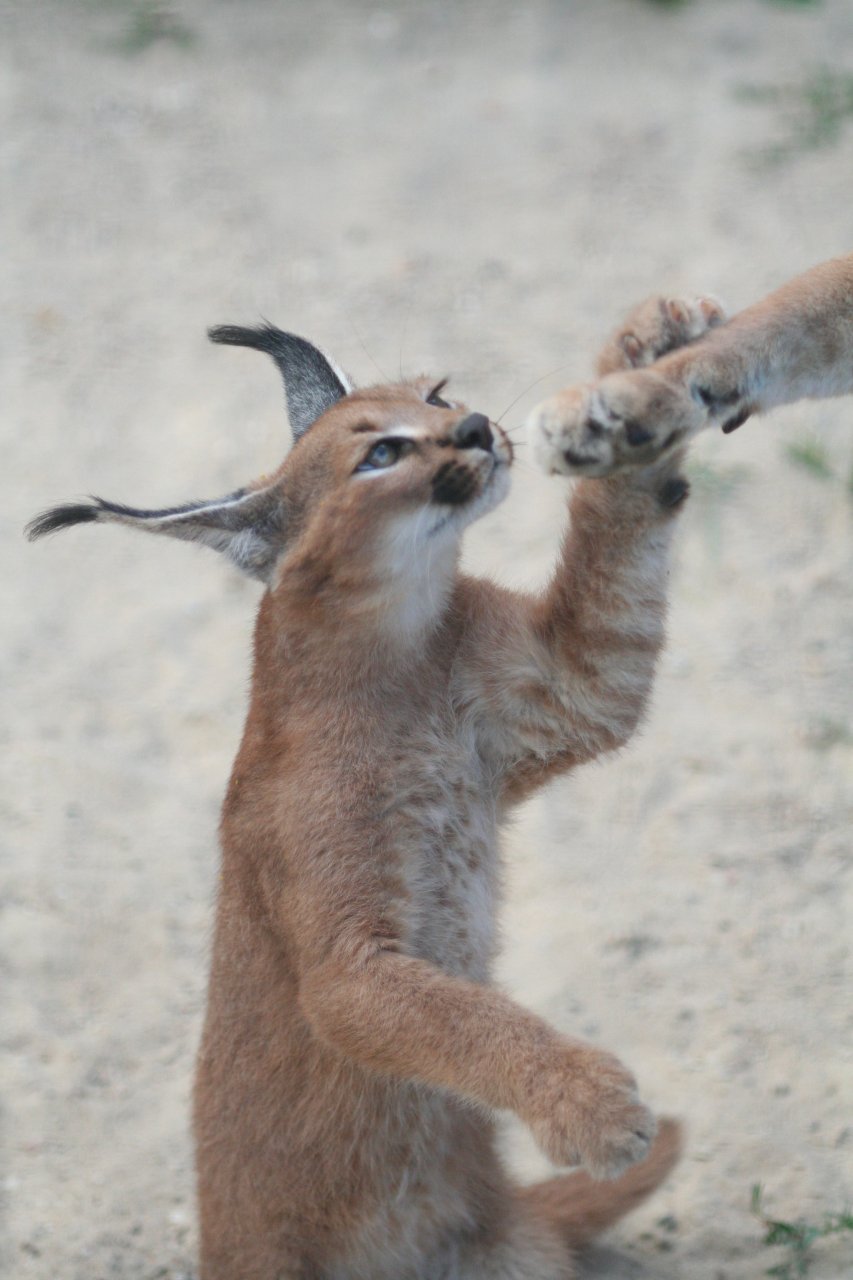
| Caracal Caracal caracal |
![]() |
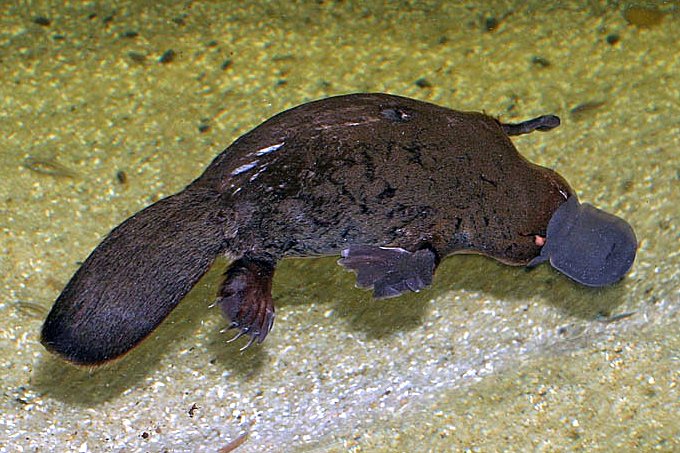
| Platypus Ornithorhynchus anatinus |
![]() |
| Emperor shrimp Periclimenes imperator |
River water and salty ocean water used to generate electricity
Great article. Researcher at Stanford University found a way of converting water (and not even clean water) into electricity. The ScienceDaily article at the link above does a great job of summarizing the research.
![]()
| Fig. 1Not related to visit, but they ARE in the VI. :D |
In the first discussion of the day, it was clear where the people stood.At the end of it all, though, it was clear that the people of the VI are very aware that something needs to be done. The EPA made is stance clear, as well, informing of the measure taken to reduce cruise ship emissions between islands. This is important for us as mroe cruise ships visit St. Thomas more than any other Caribbean port. THere will be new requirements placed on HOVENSA as well. There was a consent decree filed by the EPA agaisnt HOVENSA require upgrades to reduce emissions. WHy are these things so important to a small island territory? To quote EPA Region 2 Administrator Judith Enck, "More cruise ships visit St. Thomas than any other place in the Caribbean. By protecting your land, your air, your water, you will ensure that tourists will come back."
Reduce, reuse vs. waste-to-energy
As the two presenters each approached the podium separately, it was clear by the audience reaction that they favored Paul Connett, the author of "Zero Waste for Sustainability" over those who represented Alpine Energy Group's waste-to-energy project.
While healthy and respectable applause was offered the Alpine representatives, Connett received a loud ovation.
Connett's position was that, through education and community buy-in, the territory can expect to divert a large percentage of waste from its landfills within 18 months.
The idea, which is similar to that being promoted by the EPA's V.I. Recycling Partnership initiative, is to reduce the amount of waste produced while increasing the amount that is reused through recycling and composting.

As any long time readers of my blog may know, I love food. I especially love being able to mix food with science... hence my affinity for all things Alton Brown. Imagine the giddy feeling I got when I stumbled across the PB&J Campaign.
The livestock business is among the most damaging sectors to the earth’s increasingly scarce water resources, contributing among other things to water pollution from animal wastes, antibiotics and hormones, chemicals from tanneries, fertilizers and the pesticides used to spray feed crops.
If you have a PB&J instead of a red-meat lunch like a ham sandwich or a hamburger, you shrink your carbon footprint by almost 3.5 pounds of greenhouse gas emissions.So go out and save the earth one peanut butter and jelly sandwich at a time!
UN's International Year of Biodiversity is really taking off. Besides educating about biodiversity, there is a PUMA ad campaign, constant press releases, inspiring stories of people and groups doing what they can to promote a healthy world, and so much more! They are even partnering with WWF to promote Earth Hour, which is coming soon.
Coltan is something you may not have heard of. This is surprising because it is around you more than you think. It is a metallic or used in the production of capacitors... primarily the kind used in cell phones, video game systems, and laptops. Coltan is mined by hand in the Democratic Republic of Congo. If you remember some of my other posts, this is where many of the protected gorillas live. In fact, the mines are located in rebel-controlled areas in the National Parks. Not only that, but coltan is in incredibly high demand as we get more connected as a global market, making it valuable to both sides of the fight occurring in DRC. Some organizations and analysts have even gone so far as to state that coltan is at the center of this conflict because, besides being an ethnic war, it is also a war over resources.
Since the conflict began in 1998, many farmers were pushed off their land and sought jobs in the mines. In order to access more of the mines, they have gotten rid of valuable habitat and have killed off African elephants and eastern lowland gorillas. Both are protected species, but with a lack of serious funding and visibility in the media, there is only so much the park rangers can do. There is, however, something WE can do.
When many people get new cell phones or new electronics, they simply throw the old one away.Most people don't realize that many of the electronic devices are recyclable or reusable. Many companies will refurbish older units for resale or actually break down the pieces into it's components and use the raw materials in making something new. The EPA has an entire section of their site devoted to recycling electronics.
Many of the cell phone companies will simply take any old phones and parts. Big chain stores like Staples and Best Buy also have electronics recycling. If you don't have any of those around, call your local waste management. Chances are, they have an electronics collection program.
If we can reduce the demand for coltan, we can reduce the impact that its mining has had on some really amazing creatures.
You can find out more about coltan here.
Picture of the gorilla by nailbender on Flickr and is licensed under Creative Commons.
Remember, you can find out more about gorillas by click the link at the top of the page or by visiting Year of the Gorilla.![]()

It seems everywhere you look these days, someone is touting a new easy way to be green. These pushes to be green seem to crop up once every 15 years or so. Just think back to the early 90's when Captain Planet ruled the airwaves and everyone wanted to be an eco-warrior. I even had a Little Archie comic where he started recycling at his school and roller-bladed as many places as he could. McDonald's gave out tree seedlings with their meals. I got paid for my cans. Then it disappeared for a bit it seemed.
There were those of us that never backed down from being "tree-huggers" but most everyone else dropped it like it was a passing trend. This green trend, probably to do with the plethora of information (and misinformation) at our fingertips, seems to be taking a stronger hold.
While many people seem to really want to make a difference, there are still lots of people that feel that certain things are more of a headache than it's worth. Remembering to carry extra bags to the store is something everyone tries to do and most fail at. A clip on bag helps. Buying 100% recycled toilet paper is a little more expensive and a bit unrealistic during these hard economic times. Contributing to the WWF or the NWF is not an option for those pinching pennies.
Besides this, there are the actual impacts of what some supposed "green" ideas actually have on the environment. Certain things which save trees, like online bill pay, seem like an easy way to be green and you do save a lot of trees, but using the internet does leave a carbon footprint. Google was very upfront about how much energy their searches consume, but look at the numbers and think of how many thousands of searches you have done. It's not much, but it adds up quickly. So what can you do about that?
I am not saying throw your computer out by ANY means... I practically live on mine... but there are options. Love Google? Try Blackle. Same Google search power, just dark. Believe it or not, having a black website saves energy. It is SUPER negligible, but again, when there are literally millions of searches a second going on, it adds up pretty fast.
Another green idea that seems to be a bit misguided are green rallies. I am all for getting people together to educate. I love that sort of thing. But come on guys. Paper flyers everywhere, disposable goods... honestly, the amount of trash produced is a bit ironic. Keep it small. It's more intimate and usually makes more of an impact.
Recycling has it's merits as well, but be warned: just because it seems recyclable doesn't mean it is. While recycling is up over all, many people are required to sort through the recyclables to take out things you can't recycle but are in there anyway. There is also the economic view point of it not being very economically sound since the demand for recyclable materials is down. Shame. While this would deter most people (more and more work) there is hope. If it's greasy and food covered, throw it in your food waste. It will compost. Bills and the like, still recyclable.
So what is the point of this post? It is just to make you aware. Think about things. You may mean well, but may do some harm in the process. You shouldn't go green to brag about what you have done and get credit for it, it is a real lifestyle choice. You just should always know that EVERYTHING we do has an impact, and that is okay. Don't stress on it too much. A lot of the impact we do have when living green is something nature can work with and use for something else. It's a balance. It will work out. It's just nice knowing you did what you could. Every little bit DOES count and it adds up quickly. ![]()

So I put a banner up at the top of the page. It is for the WWF (World Wildlife Fund) campaign to turn the lights out for 60 minutes. One hour your local time starting at 8:30pm. What is the point? Well, lights out always saves energy and if most of the people on a grid do this, that is a SIGNIFICANT savings. Mostly, however, it is a statement, a rally if you will, that you too want a better understanding of and solutions to climate change.
Last year there were iconic buildings like the Sydney Opera House who shut their lights out. This year entire cities are devoted. They are turning lights out in all the city buildings. Las Vegas and Hong Kong are on the list. Many high schools around the country are also participating and people are having various functions and power-free parties. There are even kids getting involved and doing their part.
The site above links to the UK WWF site. The US site didn't have as many tips but you can find it here. Even if you don't participate, it's nice to have a lights out hour anyway. Living in St. Thomas, it happens anyway as WAPA (Water and Power Authority) is not exactly reliable. The hubs and I are going to have a fancy candlelit dinner followed by a long walk with Floyd, I think. The easiest way to participate is to just go to bed early! To participate or to find out more, visit any of the websites. Are you participating in Earth Hour? What are your plans for the dark?![]()
The threat of ocean acidification is getting some attention recently. Many marine scientists (more than 150) from all over the world are asking policy-makers to take this threat very seriously and find a way to reduce CO2 emissions. According to these scientists, the acidification is already detectable and is rapidly accelerating. How does CO2 in the atmosphere cause ocean acidification?
The ocean absorbs a lot of the gas and it is dissolved and converted to carbonic acid. According to Oceana, this acid destroys many shells and layers on animals that are key to ecosystem survival. The acid breaks down these calcium carbonate shells.
Not only does the CO2 affect animals with calcium carbonate shells, but animals like squid that require a lot of oxygen will not be able to absorb as much. Acidity in the ocean also affects the squid’s blood acidity.
The oceans pH has already dropped from 8.16 to 8.05 since the late 1980’s. There is some evidence that this drastic change in pH will also hamper the development of various marine larvae.
What can you do to help? Besides lowering the amount of CO2 you personally produce, you can write policy makers. Let people know. Talk to others about how lovely the ocean is. Remind them how important it is and how much of our oxygen comes from the ocean.
Off my little soapbox. Sorry. I get carried away.
You can find the source here.![]()
Okay, I know what you are thinking... there is NOTHING positive about global warming. Well, you are wrong. It's all in how you look at things. In a brilliantly written opinion piece at the BBC website, Russell Mittermeier points out that our very serious climate change issue has rallied together people from all walks of life, of very different backgrounds and united them for a common good. The animals in danger of extinction no longer just have a few "weirdo hippies" to look out for them, now almost everyone is! There is strength in numbers and now, more than ever, are people trying to change how they impact the world ecologically. This is a good thing. So there really is a silver lining to all of this... This gives me a little more hope.
The National Wildlife Federation posted a video on their blog about the Endangered Species Act and why it is so important. You may remember I did a previous post as a call to action for everyone. Well, in case you missed it the first time.... Go. Write. Letters. Now. This is dreadfully important in so many way and the video does a better job of describing what I tried to... I am not good at putting things in easy to understand terms. I'm working on it. In the meantime, make sure we keep our protected lands protected. Thanks.

In his last few months in office, it seems our president wants it to be known that he really doesn't care about the environment at all. In his latest attempt to destroy all things green, he is trying to change the Endangered Species Act of 1973. This act not only allows for the formation of an Endangered Species list, but also requires that recovery plans be drawn in the event of a badly endangered animal and forces the Federal Government to "not authorize" any plans that would hinder the recovery of a species. This last part is the part that our dear Commander-in-Chief wants to change. Scientists are up in arms over this calling the proposal "bad science." So, what, pray tell, do we do? Well, the public comment period ends mid-September, so whatever it is we have to do it fast. Go write letters
now. That is what I am doing. That's all I can do... otherwise we can kiss our beautiful endangered species (like our reefs and wild horses) and protected lands goodbye.
This work by Marizela Moya is licensed under a Creative Commons Attribution-Noncommercial-Share Alike 3.0 United States License.

In case you haven't figured it out, I live in St. Thomas, VI. We are a part of the United States just located in the Caribbean. The Caribbean (for all us science types) is a tectonic plate all its own and the collision and interaction of this little plate with other larger ones is how the Antilles were formed. Because our islands with the rest of the ones in the Caribbean form a chain that acts as a barrier for the fierce Atlantic, the Caribbean Sea is calm and tranquil pretty much consistently.


So in an article I found on the BBC, Researchers at 2 different animal parks in China were offered tiger wine. This is pretty much tiger, yes ferocious, growly, cute, stripy tiger, soaked in rice wine. Despite a ban on poaching and using tigers for goods, numbers are still declining. You can read more here.
Since I found this article, I will talk about tigers for a bit.
Scientific Name: Panthera tigris
This cat is the largest of the cats. There are 8 subspecies of tiger; 3 of which are already extinct. No two tigers have the same stripe pattern. They are as unique as a humans fingerprints. The last wild white tiger was seen in the 1950's. It was a cub and became the "father" of all white tigers in captivity. White tigers are usually larger at birth and adulthood, probably a genetic trait allowing better chance for survival despite their coloration. However, due to inbreeding in captivity, birth defects are emerging. They are inbred because this trait is in high demand.
Behavior
Tigers are a bit strange in that, unlike all other cats, they LOVE water and are very strong swimmers. They are also very solitary except for a mother with cubs. They are very territorial.
Reproduction
Females are only receptive for a few days and in these days mating is very heavy. Gestation is only 16 weeks and cubs are about 2 pounds when born.
There is tons of information online on how we can help save these big cats. There are only about 7,500 of them left in the wild.
A great video to watch is Kingdom of the Tiger, an IMAX film.
© Blogger templates Palm by Ourblogtemplates.com 2008
Back to TOP